All Roofs Leak
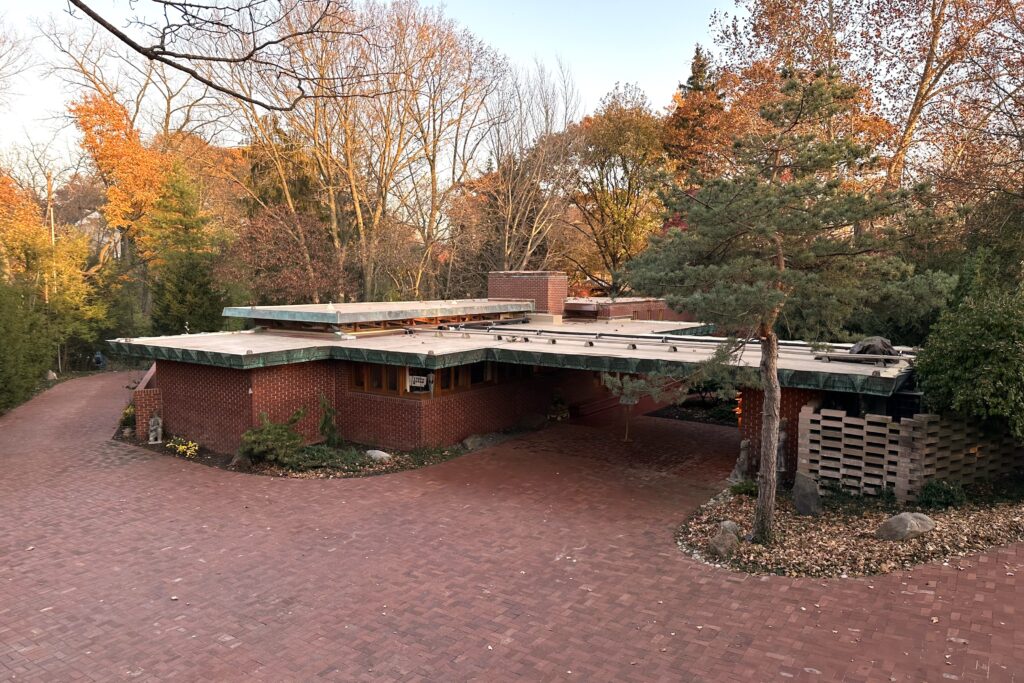
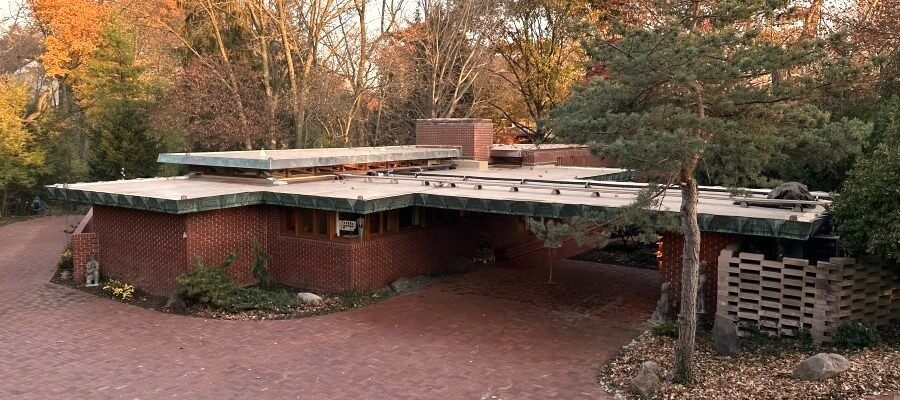
At some point, nearly every conversation on the merits of Frank Lloyd Wright’s designs, arrives at the same tired punchline: “But the roof leaked.” The remark is sometimes delivered as if to dismiss Wright’s profound contributions to modern architecture, but this line of critique overlooks fact: Roofs leak. They always have. The Louvre in Paris leaks. Gothic cathedrals across Europe leak. Thomas Jefferson’s Monticello leaks. Victorian-era houses leak. The Museum of Pop Culture, designed by the renowned Frank Gehry, leaks. Buildings both old and new, traditional and unconventional, all eventually contend with water. The more interesting question is not which roofs fail, but what a roof’s design makes possible. At Samara, Frank Lloyd Wright’s flat roof system made possible a radically integrated vision of light, space, structure, and landscape, and our recent roof replacement project demonstrates how modern building technology is finally beginning to support Wright’s ideas more successfully than ever before.
A Roof Designed to Heal
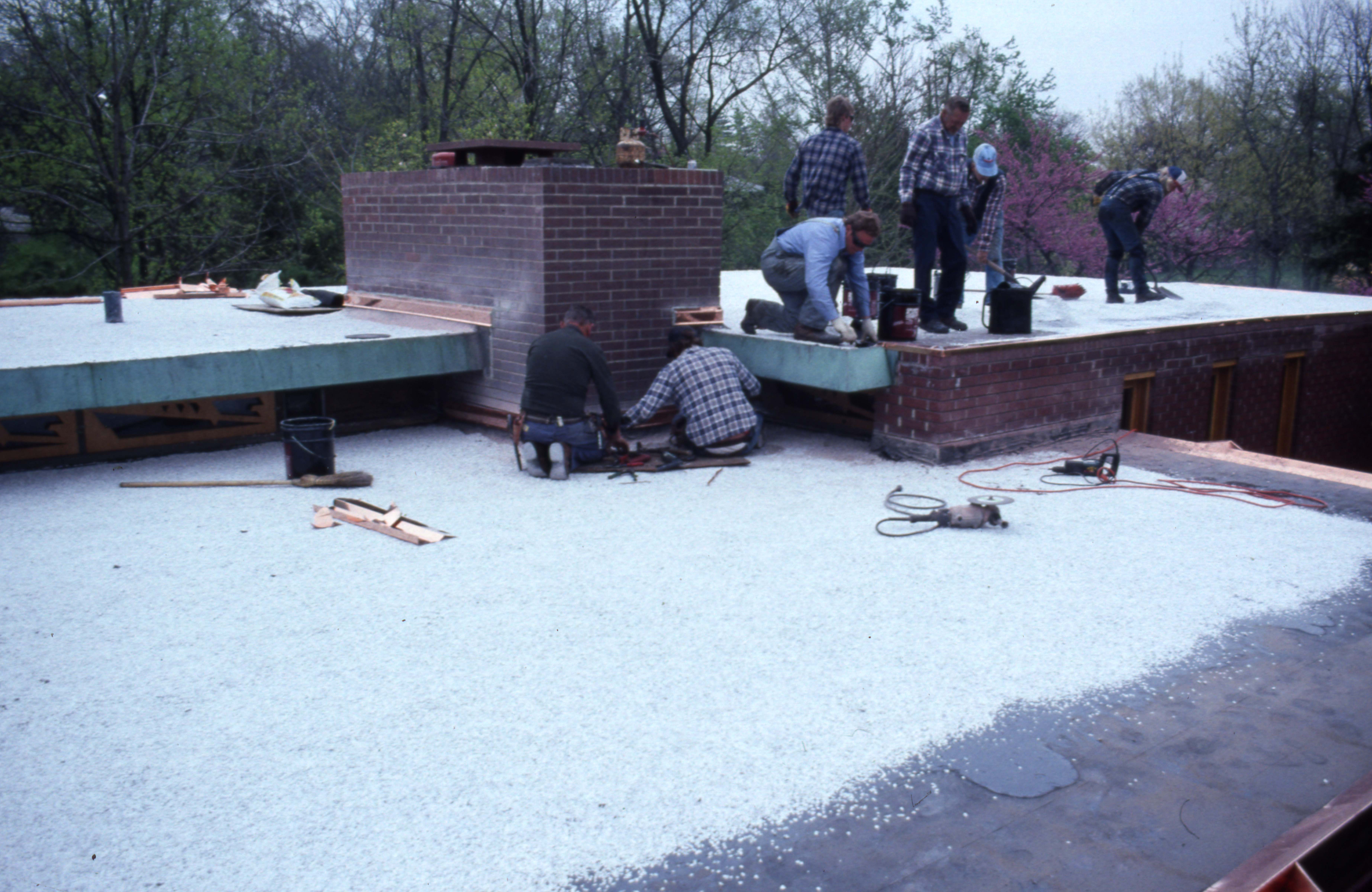
We are fortunate that Wright designed Samara late in his career, after decades spent refining the ideas behind his flat-roofed houses. In 1955, he envisioned a dead-flat (yes, that is a technical term) built-up tar roof finished with crushed red brick. The layered tar system gave the roof a remarkable self-healing quality. In warm and cool weather, the sun softened the upper layers of tar, allowing the roof to move through cycles of heat, cold, expansion, and contraction while resealing small cracks before water could penetrate deeper into the structure. The crushed red brick surface would have echoed the Cherokee Red concrete floors below while casting a warm pink glow across the light-tan ceilings through the clerestory windows. In practice, that material solution was not available, and the roof was instead finished with crushed white marble. Wright’s ideas were ambitious, but every building ultimately depended on the realities of available materials, construction methods, budgets, and technology.
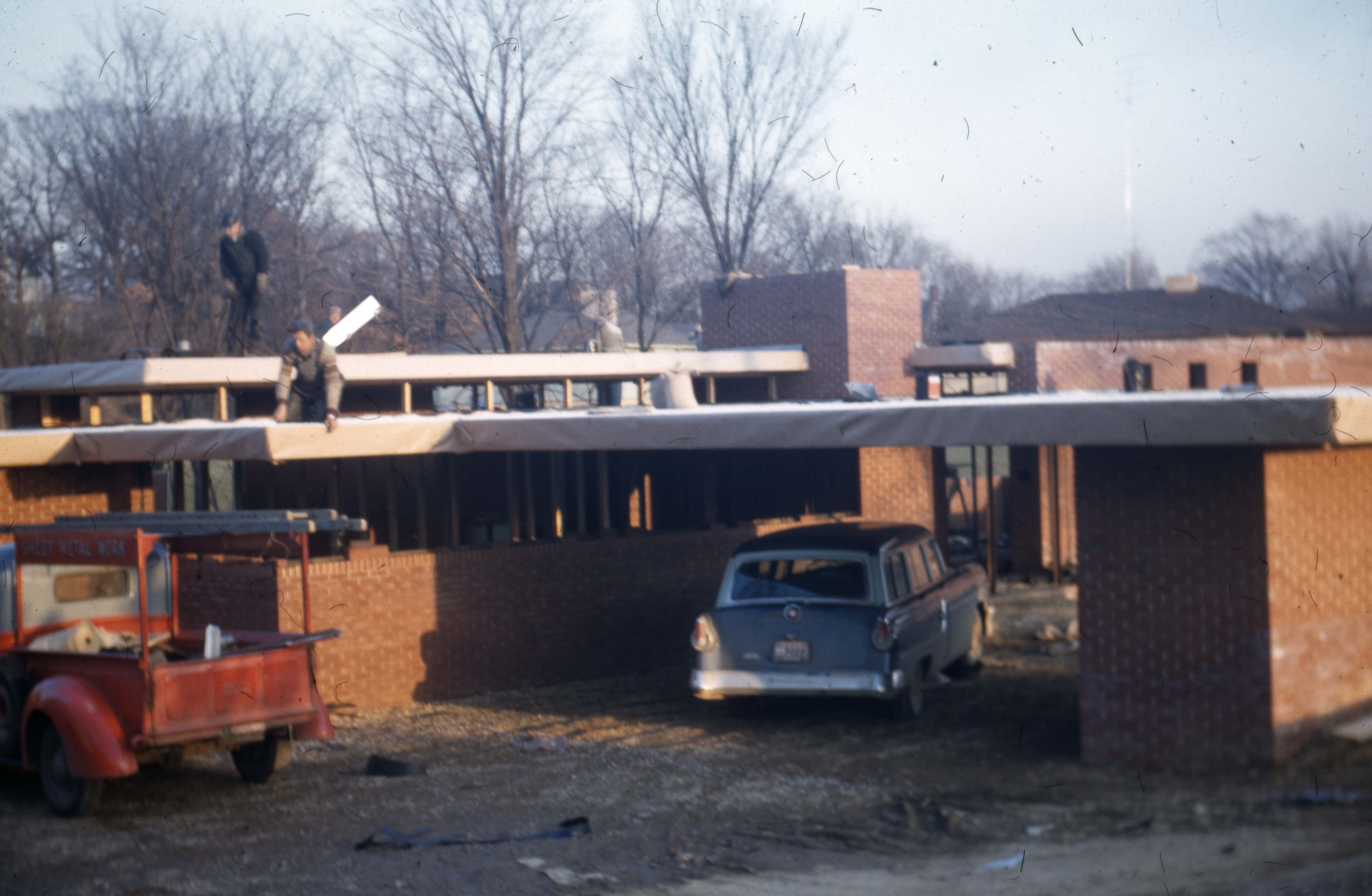
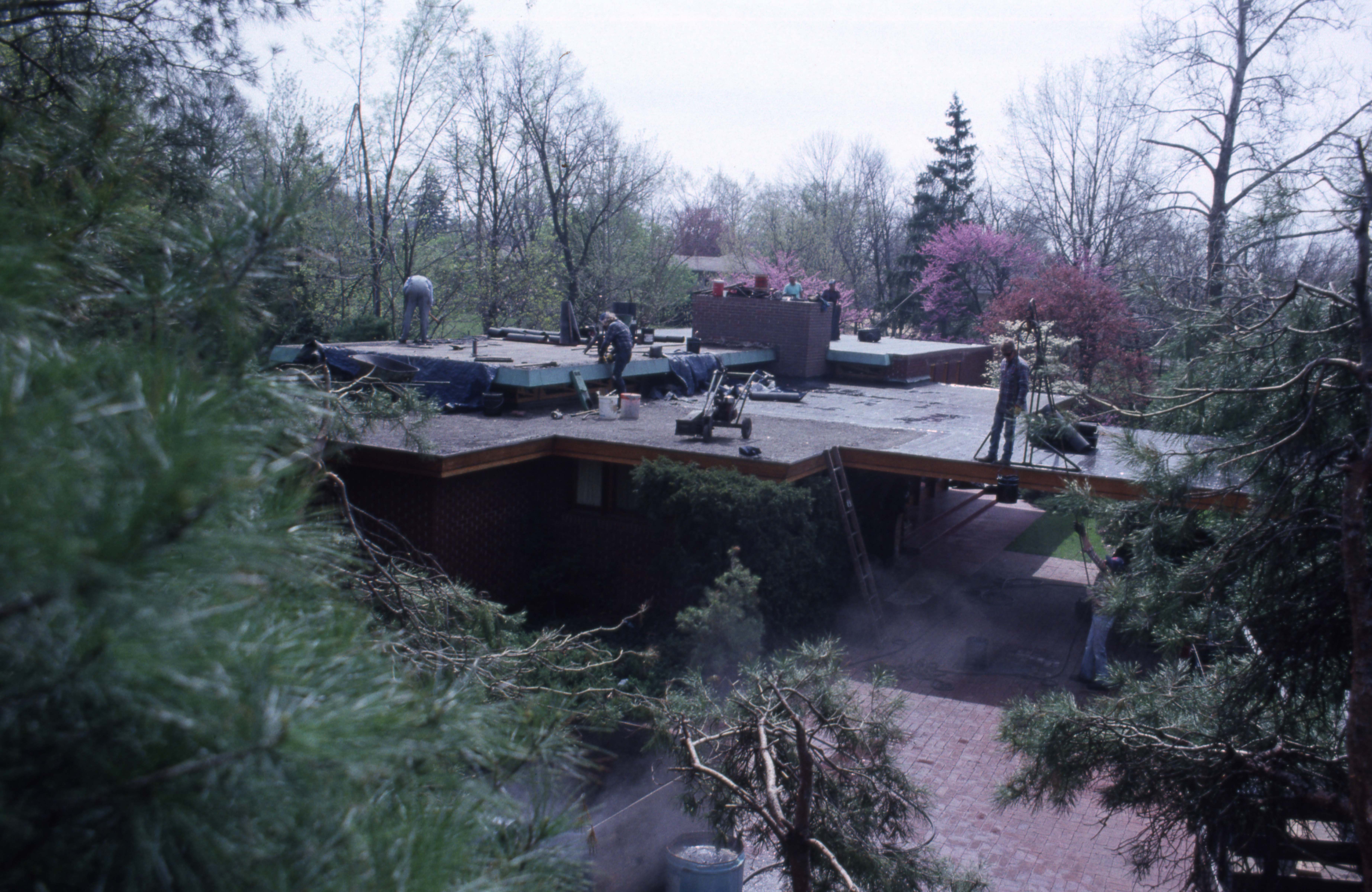
For decades, the system performed remarkably well for the property’s original homeowners Dr. John and Catherine Christian. By 1991, however, the original roof had reached the end of its useful life and was replaced with another built-up multi-layer tar roof topped with a white marble ballast. At the same time, Samara’s ornamented copper fascia was installed for the first time ever, creating a dazzling display of geometric shadows inside and outside the house. That second roof protected the house through another 35 years of storms, snow, summer heat, and winter freeze. But as the system aged, the same tar that once helped seal the roof began to harden and migrate, eventually allowing both tar and water to penetrate the interior by 2023.
Replacing the Roof While Preserving the Idea
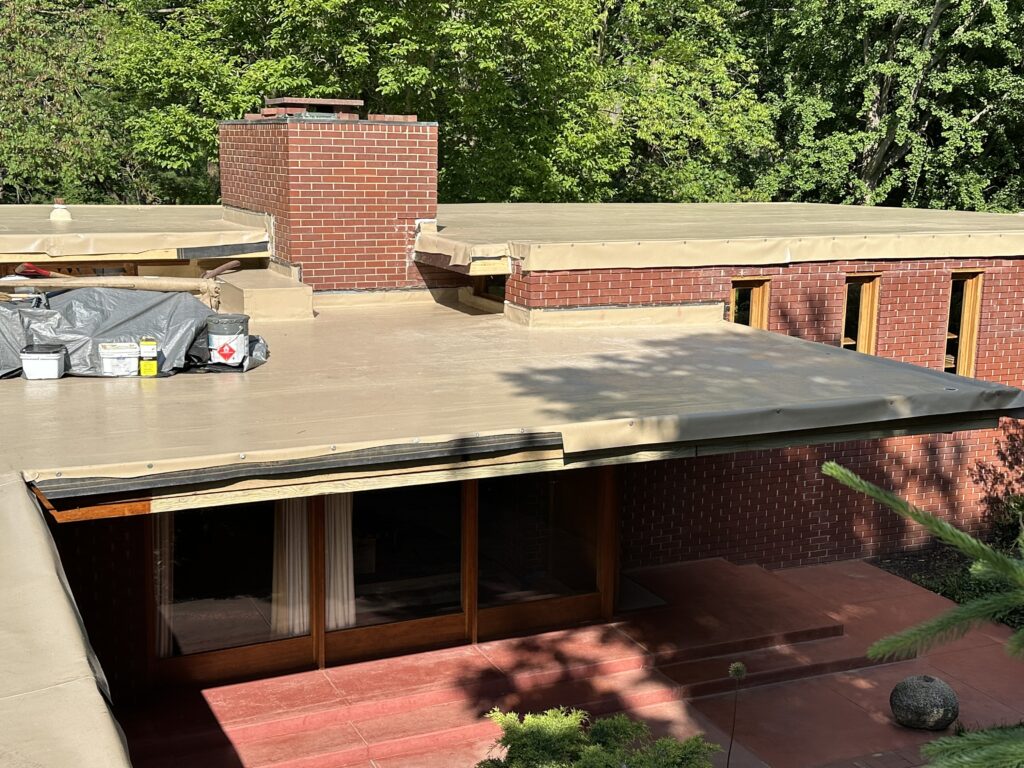
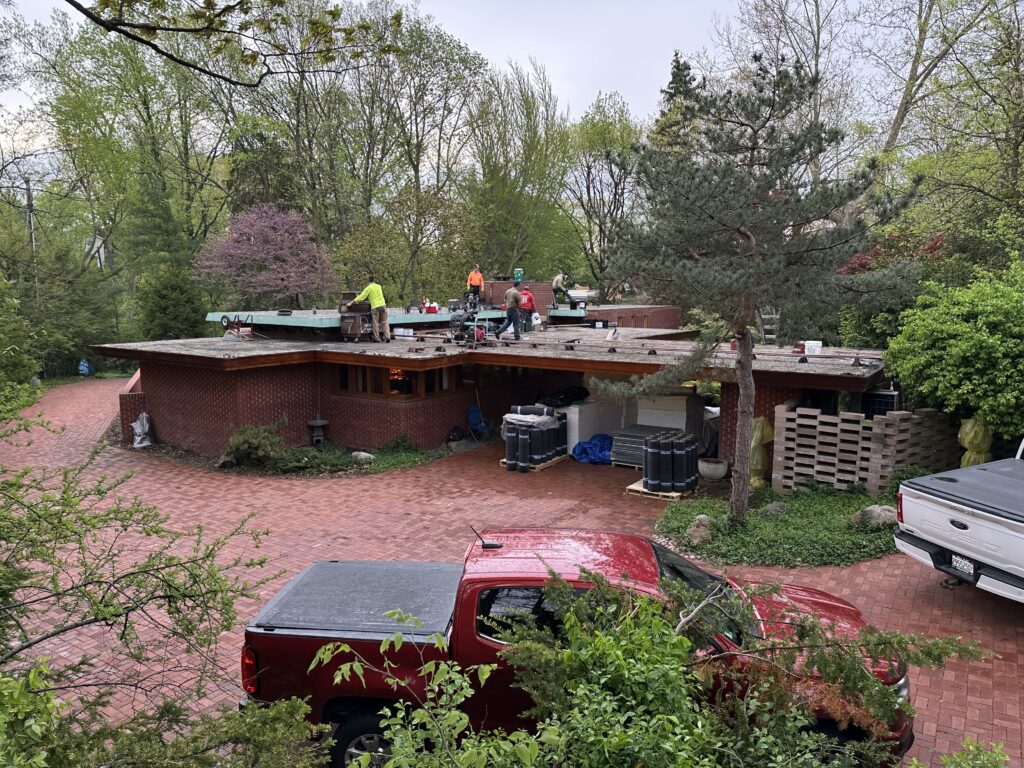
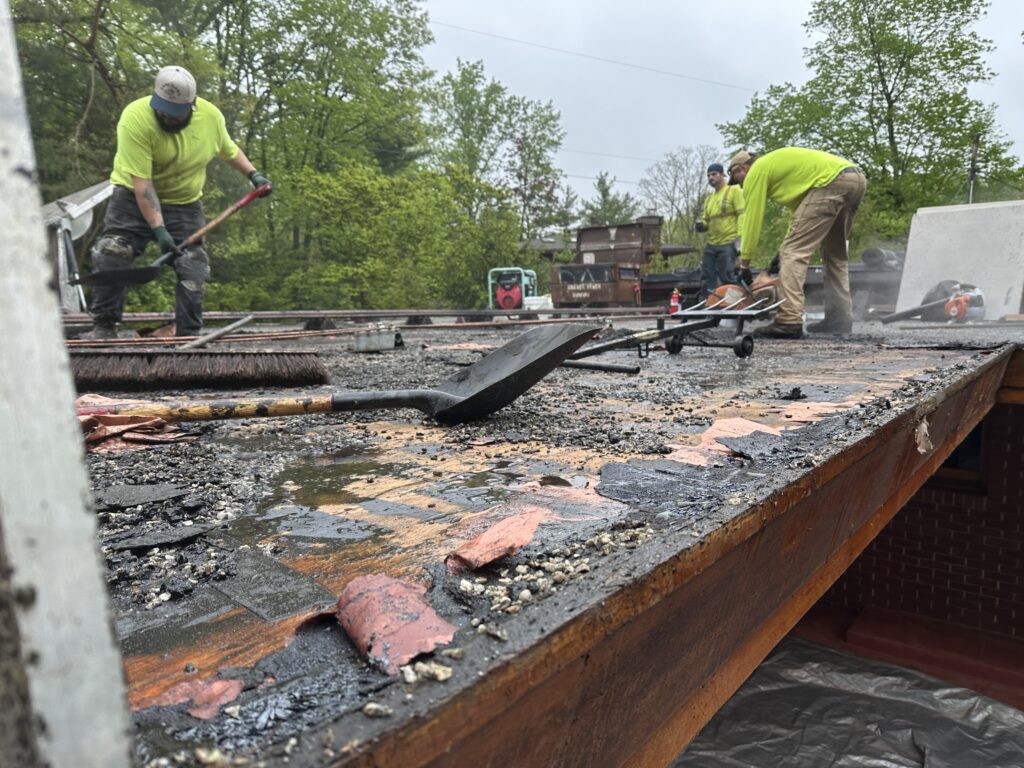
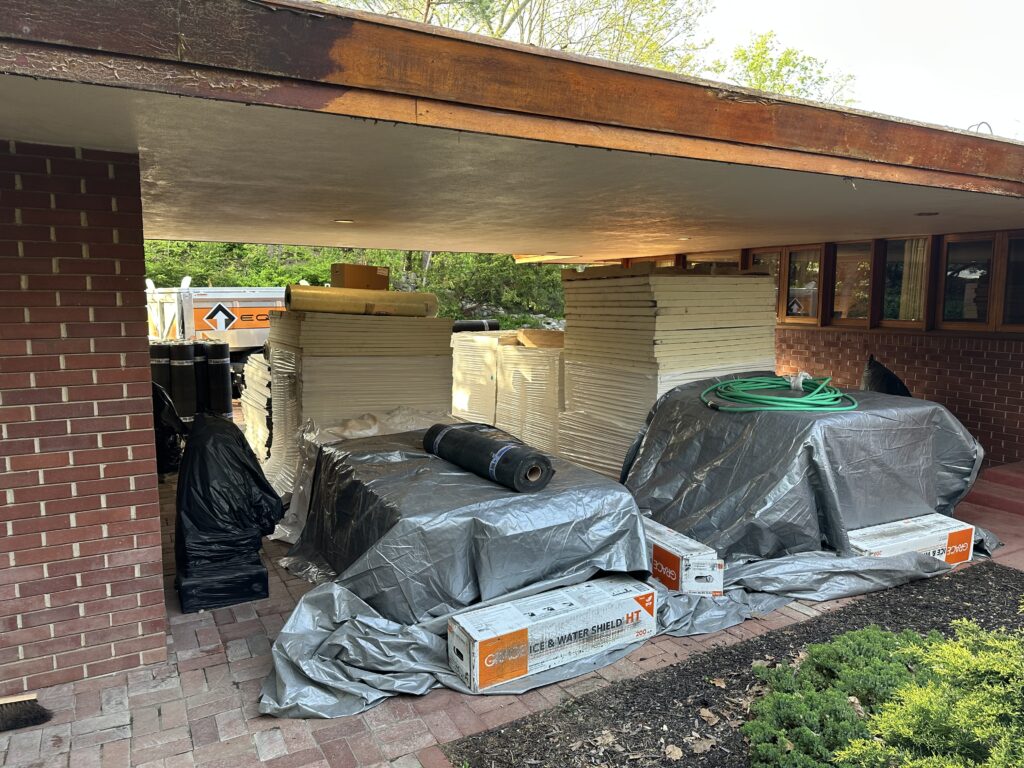
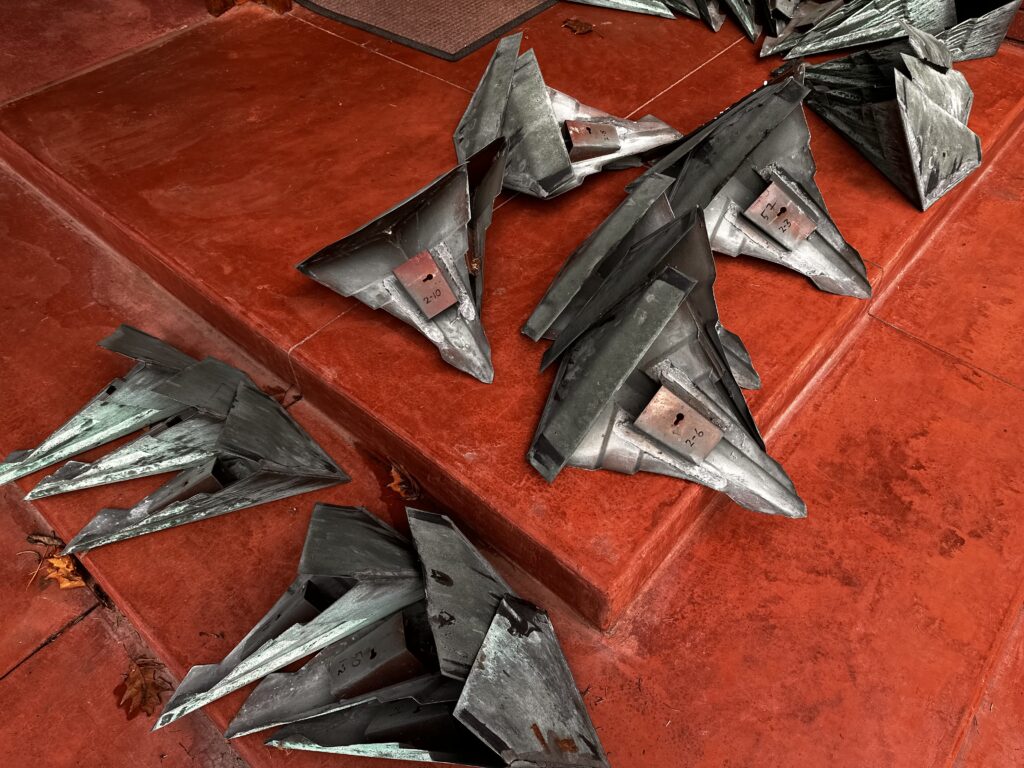
In 2025, Samara received only its third roof in nearly 70 years, marking just the second full roof replacement in the home’s history. Workers from Knickerbocker Roofing and Paving Co. Inc. (Harvey, Illinois) carefully removed the aging tar-and-gravel roof down to its original wooden deck before installing a new high-performance membrane roofing system designed to dramatically improve durability, insulation, and water resistance. The ornamented copper fascia, consisting of over 200 individual pieces, was meticulously removed, cataloged, and later reinstalled, briefly revealing the home’s original Philippine mahogany fascia. Much of the decorative copper could be restored or recreated using original forms and Dr. Christian’s patina formula within our archival holdings. The new roof assembly combines tapered insulation, modified bitumen, and a fleece-backed Ketone Ethylene Ester (KEE) membrane with heat-welded seams, creating a quieter, more energy-efficient, faster-drying, and significantly more watertight roof system designed to protect the house for decades to come.
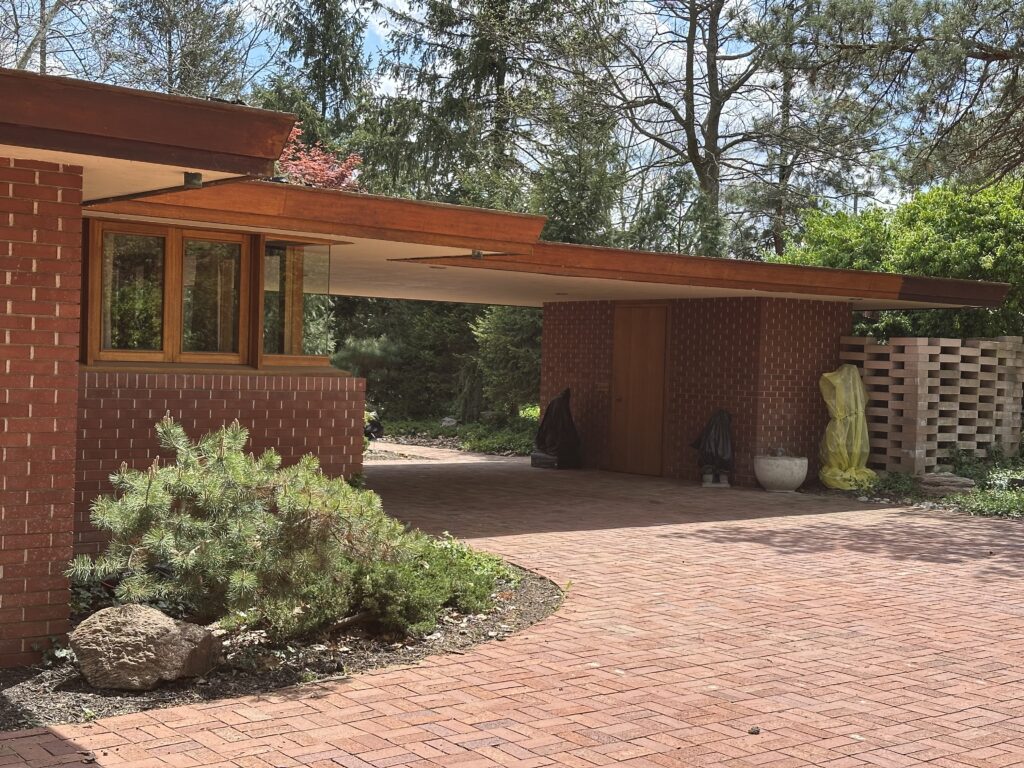
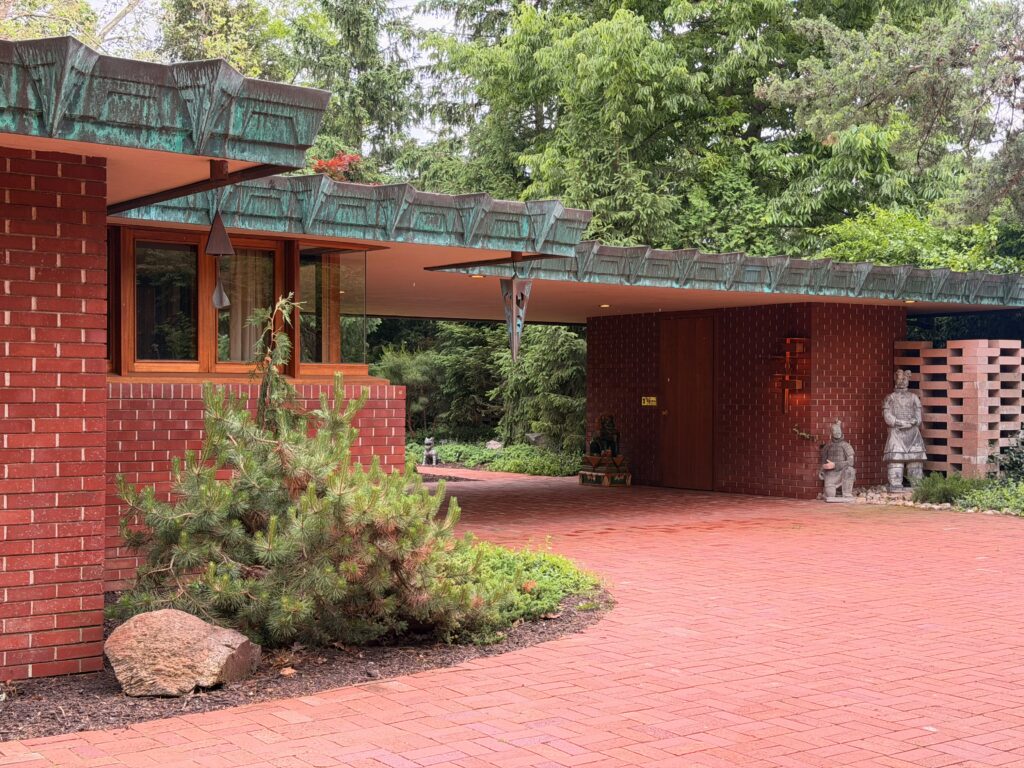
The restoration also allowed Samara to more closely align the roof with Wright’s original color intentions for the house. Brick-red membrane panels placed in front of the clerestory windows recreate the warm pink cast of reflected light Wright envisioned in the 1950s, while the remaining roof surfaces match the tone of the ceilings and eaves below. With tapered insulation subtly directing water flow, Samara is now technically considered a low-sloped roof structure, helping the roof shed water more effectively without altering the appearance of the house.
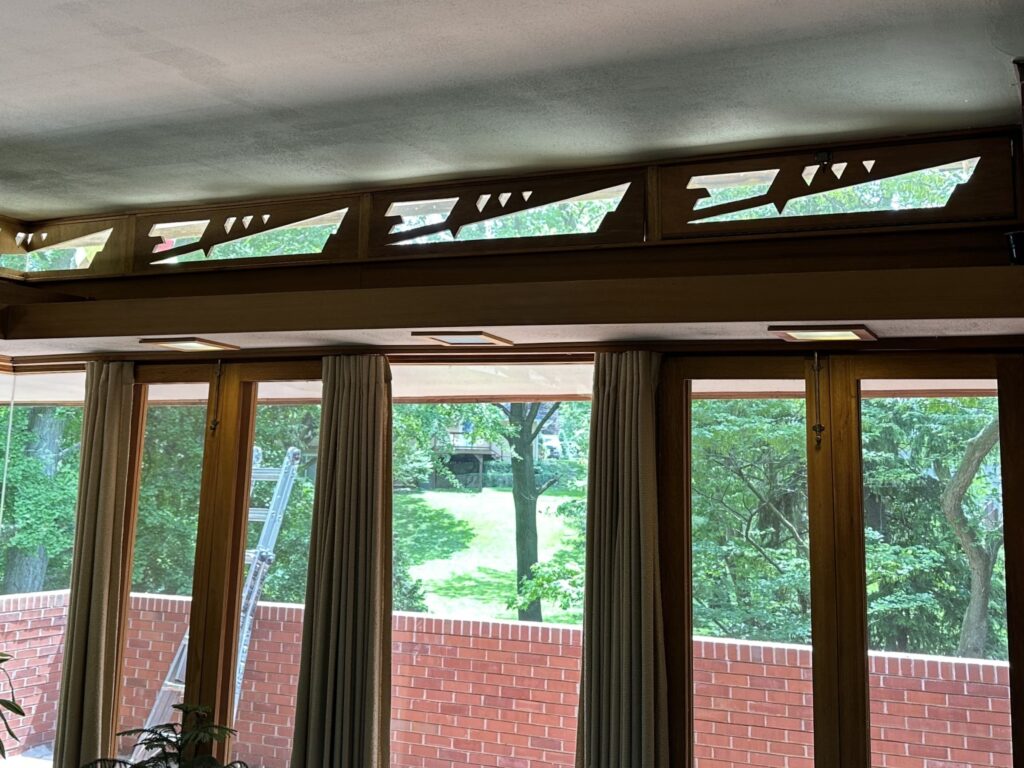
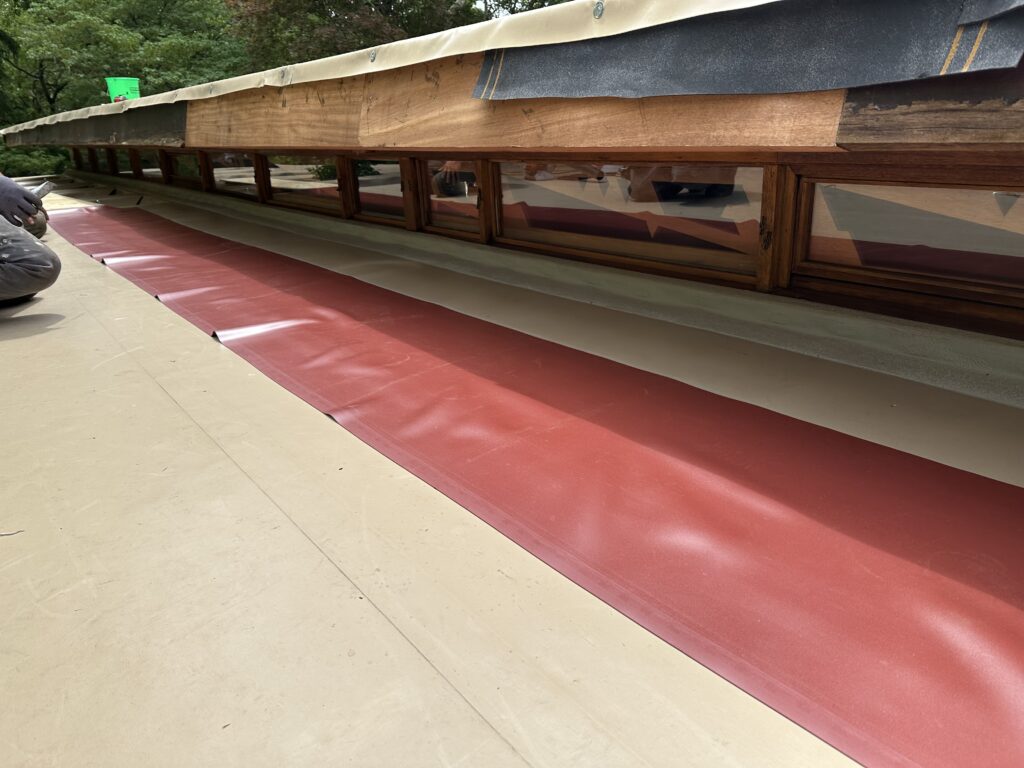
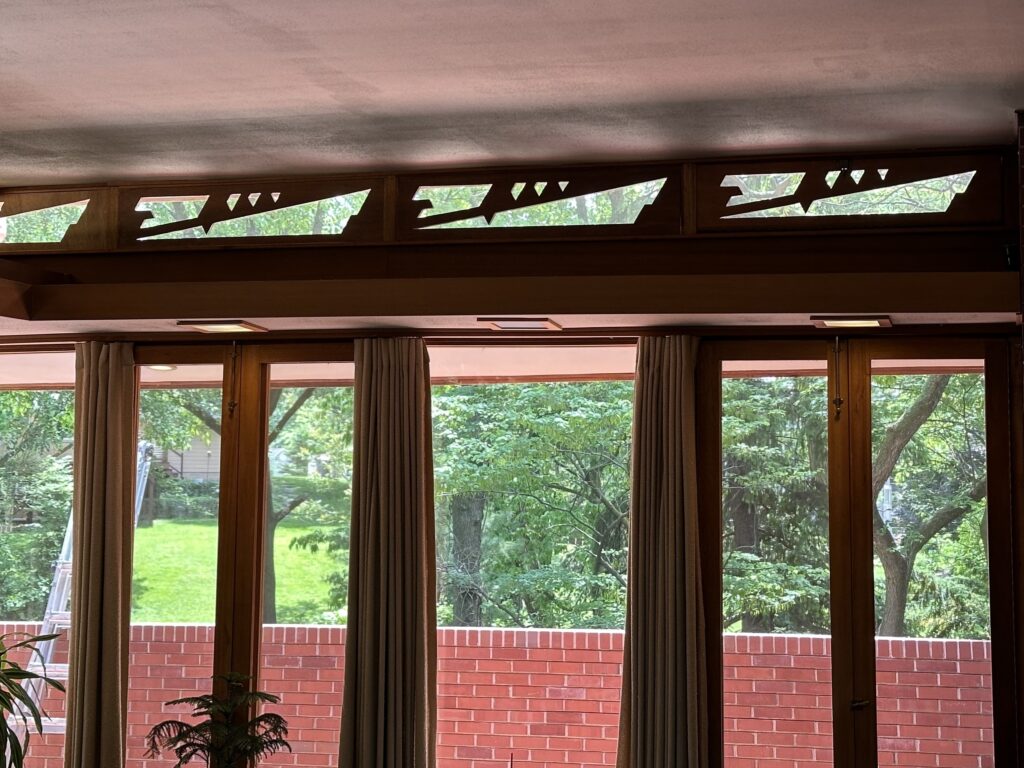
Wright never specified materials simply because they were traditional. He was interested in how intelligently and beautifully they could be used. Sometimes a design’s simplicity is only possible through extraordinary complexity, and Samara illustrates one of the clearest examples of that principle. Samara’s broad, flat roof may seem simple to the eye, but in reality, it is a highly engineered system that constantly manages water, temperature, light, and structure without disturbing the architecture below. With Samara’s new-and-improved roof, the architecture remains the same; what has changed is our ability to support it, as modern preservation technology begins to catch up with Frank Lloyd Wright’s ambitious architectural ideas.